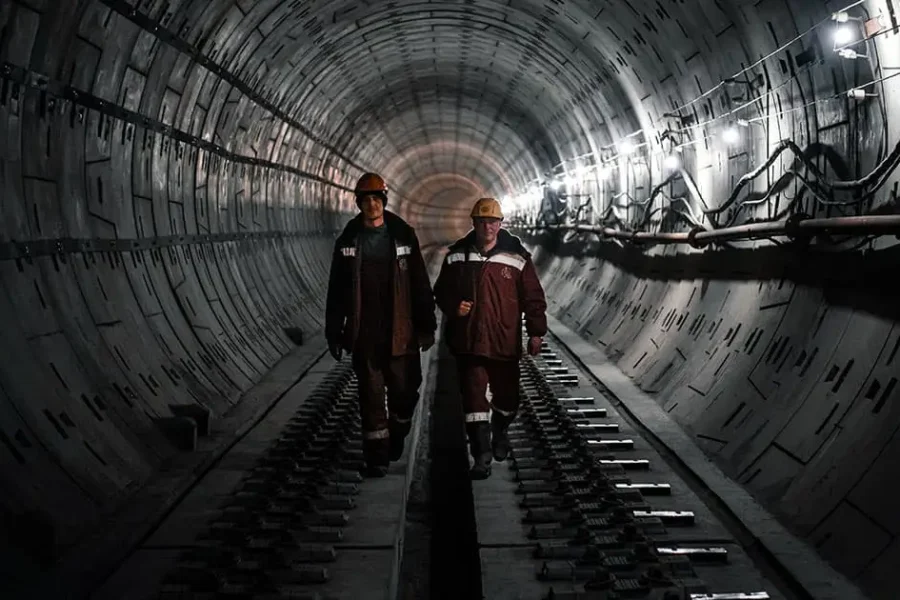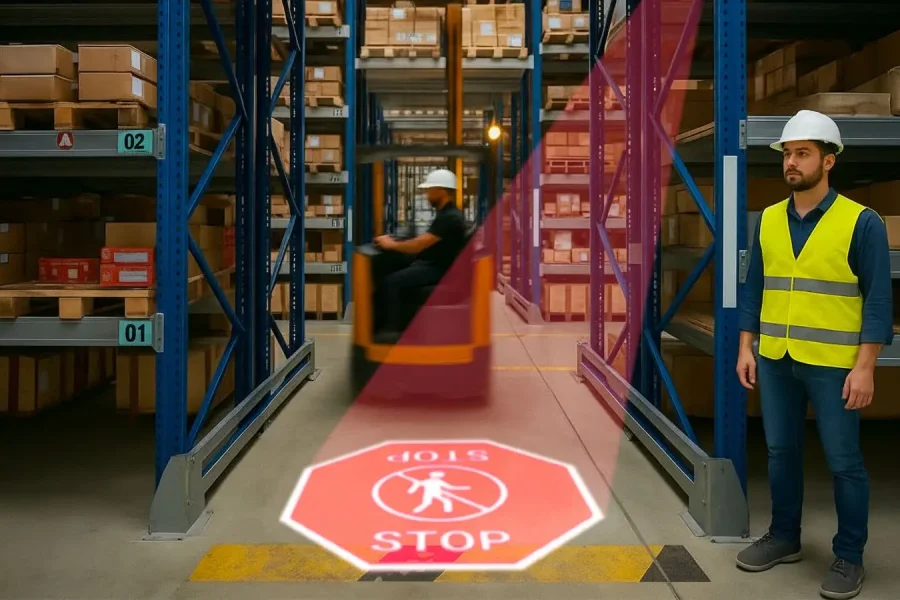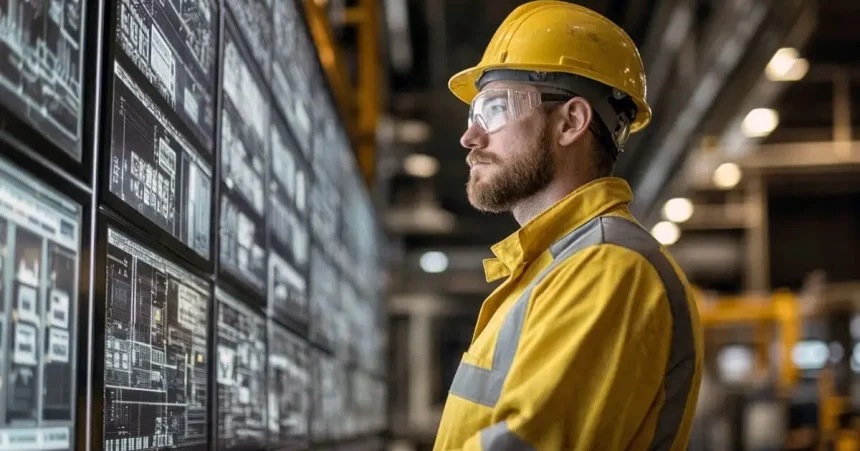
A tunnel under construction is crossed by dozens of information flows: the position of workers, air conditions, alarms, video surveillance images, communications. Taken individually, these data offer only part of the picture. It is their convergence in a single control point that turns them into the ability to govern safety. This point is the control room.
The control room is the place, both physical and logical, where information from the different systems is collected, read and managed. It is not a simple display panel, but the decision-making centre from which the status of the works is monitored and interventions are coordinated, in normal conditions as well as in emergencies.
What a safety control room is
A safety control room centralises the monitoring of a complex infrastructure. It receives data from field systems in real time, presents them in a readable way and provides operators with the tools to intervene: activating procedures, forwarding alarms, coordinating teams.
In a tunnel, the control room is what makes it possible to have, in a single place, an overall view of an environment that extends for kilometres and changes as work progresses. It makes it possible to know at any moment who is present, what the environmental conditions are and what state the various systems are in, overcoming the fragmentation typical of systems that operate in isolation.
Centralised monitoring
The first task of the control room is monitoring. Tracking data show the position of workers along the tunnel; environmental sensors report air quality; alarm systems and video surveillance complete the picture. Displayed together, these flows provide an up-to-date, continuous snapshot of the state of the tunnel.
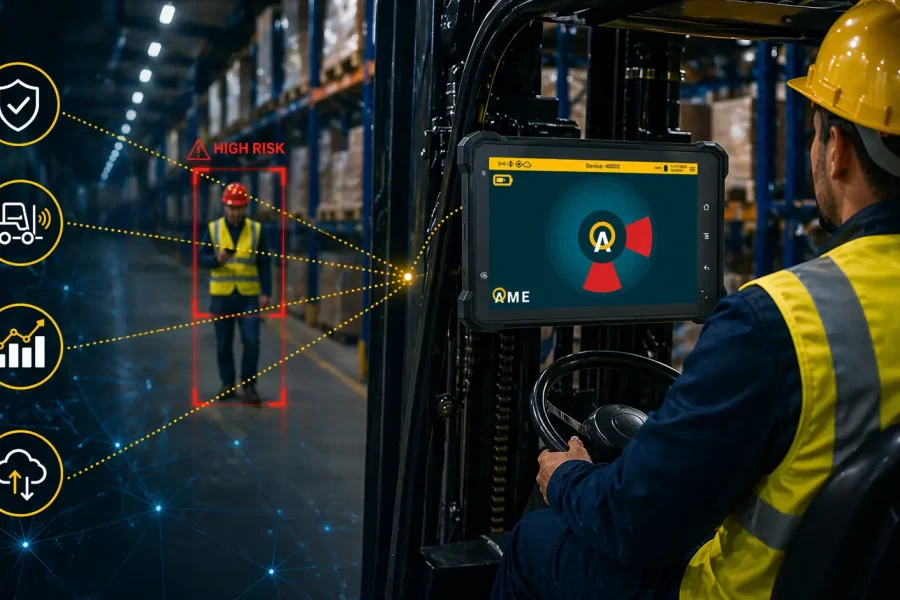
The advantage is not just having more data, but having it correlated. An environmental alert read together with the position of people, or an alarm immediately associated with a tunnel section and the people in it, makes it possible to assess the situation as a whole. It is the difference between reacting to a single signal and understanding an event in its context.
Event and emergency management
When something happens, such as an environmental alarm, an accident or a request for help, the control room becomes the centre for managing the event. Event management consists of recording each alert, associating it with a position and a context, and handling it according to a defined procedure, without information being lost at the moments when coordination is most difficult.
In this scenario, the emergency call systems distributed along the works also become decisive. SOS and emergency stations allow anyone in difficulty to report their condition and position, and the control room collects these calls, integrating them with the other information available. The result is emergency management that is faster and better informed: it is possible to know who needs help, where they are and in what environmental context, and to direct the response accordingly.
System integration and Safety Intelligence
For the control room to work properly, the systems that feed it must talk to each other. A control centre that receives non-integrated data offers a partial view; one that correlates them offers the ability to govern.
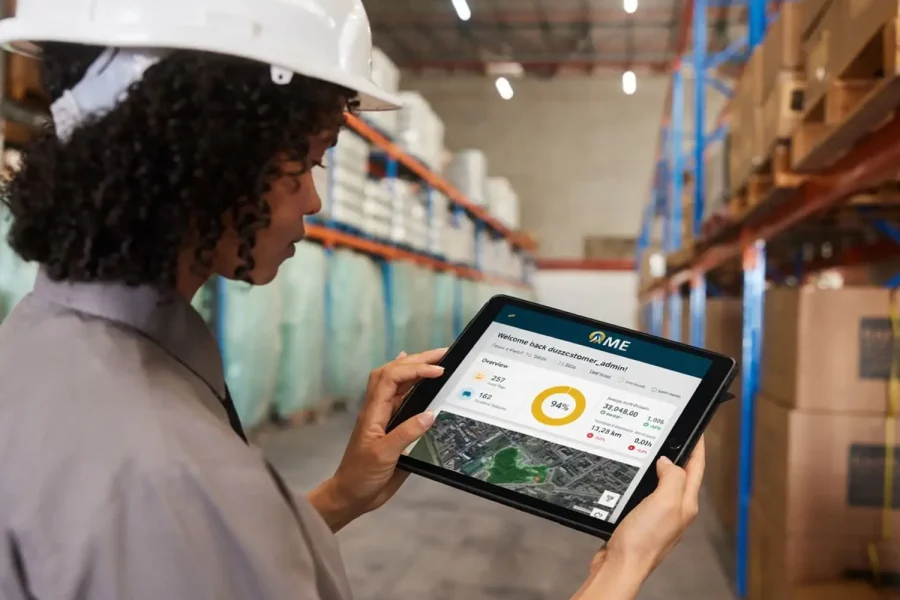
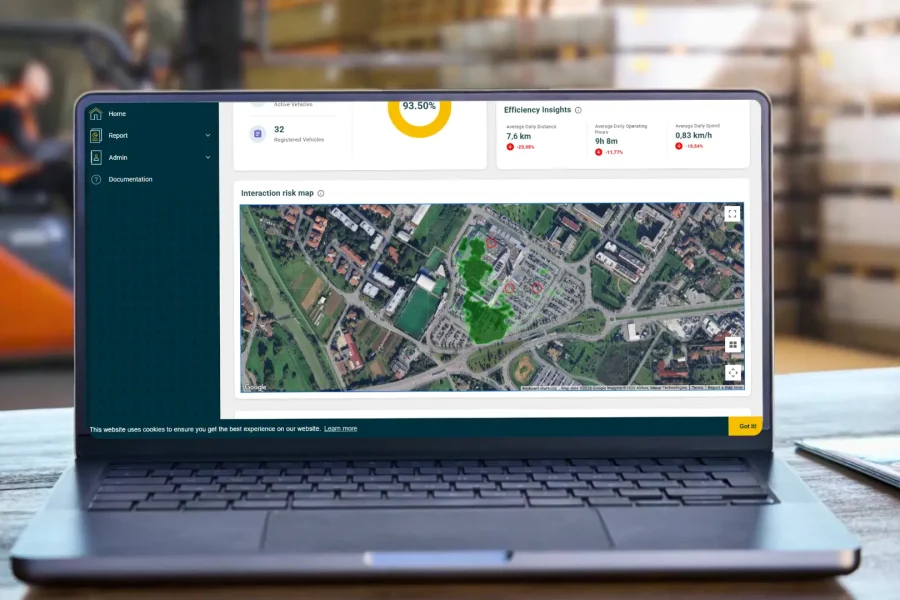
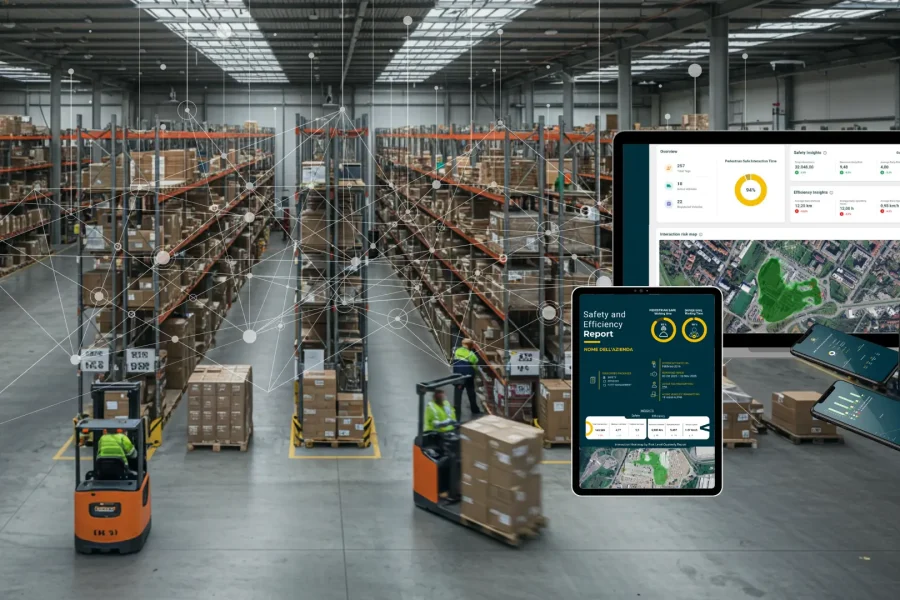
This is the role of a Safety Intelligence platform such as AMESPHERE, which collects and links the data from the tunnel’s different safety systems and presents them in a readable form, together with reports and indicators. In this way, the control room does not just manage the present moment, but also enables risk analysis and measurement over time, to identify recurring critical issues and verify the effectiveness of the measures adopted. From a monitoring centre, it becomes a tool for the continuous improvement of safety.
Frequently asked questions
What is a safety control room in a tunnel?
It is the control point where data from the different safety systems converge: tracking, environmental monitoring, alarms, video surveillance, communications. It makes it possible to monitor the status of the works in real time and to coordinate interventions in both normal and emergency conditions.
How does the control room help in emergency management?
It collects and correlates alerts, including SOS calls, associating them with a position and a context, and handles them according to defined procedures. This makes it possible to know who needs help, where they are and how to intervene, reducing delays and uncertainty.
Why is it important to integrate systems in the control room?
Because value does not come from individual data but from their correlation. Integrated systems make it possible to understand an event in its context and, by analysing data over time, to identify recurring critical issues and improve safety measures.