Steel Industry

Mexico and Argentina
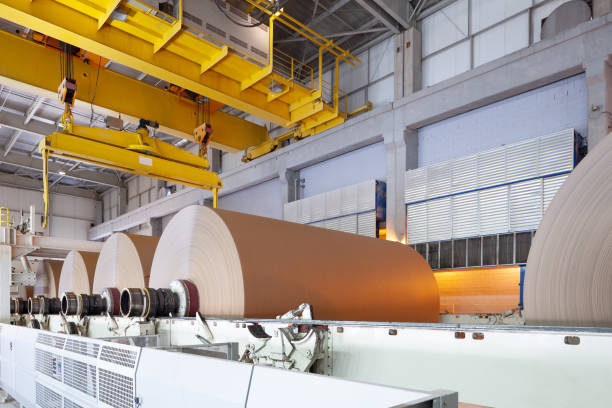
In steel plants, material and large-load handling takes place in environments characterized by large vehicles, complex manoeuvres, and frequent interactions between vehicles and pedestrians.
For Ternium, it was therefore essential to reduce the risk of collisions between handling vehicles and pedestrians, especially in situations where bulky loads and obstacles can limit the driver’s visibility.
To address this need, Ternium adopted AMESPHERE ALPHA, AME’s collision avoidance solution based on TAG technology. The system detects and displays the presence and precise position of operators in real time on the onboard tablet and assesses the interaction risk based on their proximity to the vehicle, relative speed, and trajectory.
When an actual danger situation is detected, AMESPHERE provides visual and audible alerts and, when necessary, slows down the vehicle, supporting the driver in preventing collisions even when visibility is limited.
The LPS technology at the core of AMESPHERE ALPHA is particularly effective in steelmaking environments, where bulky loads, structures, and large vehicles can compromise driver visibility. Unlike systems based exclusively on cameras, which require a clear line of sight, LPS detection does not rely on direct visual contact, allowing operators to be detected even beyond blind spots and in the presence of obstacles.

The implementation of AMESPHERE ALPHA strengthened operator protection in material handling areas, providing drivers with active support even in conditions of limited visibility.
The system helped prevent hazardous interactions between vehicles and pedestrians, making situations that might otherwise go unnoticed by the driver immediately detectable.
In this way, Ternium integrated the technology into its daily material handling operations, introducing an additional layer of active prevention without relying exclusively on visual contact between drivers and operators.
Accurate detection even beyond obstacles and in blind spots
Risk assessment of interactions between operators and vehicles

Automatic vehicle slowdown only when a hazardous situation is detected
Enhanced operator protection in material handling areas