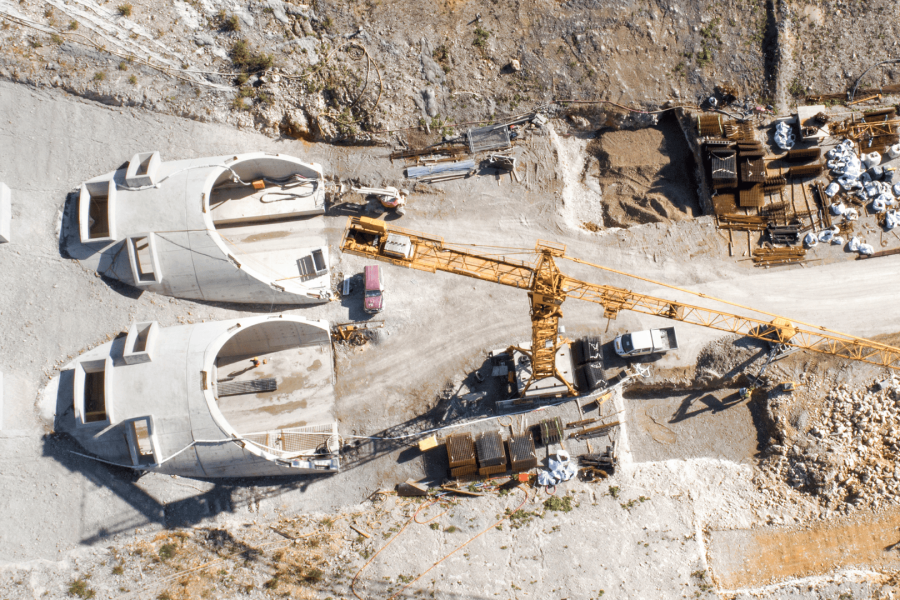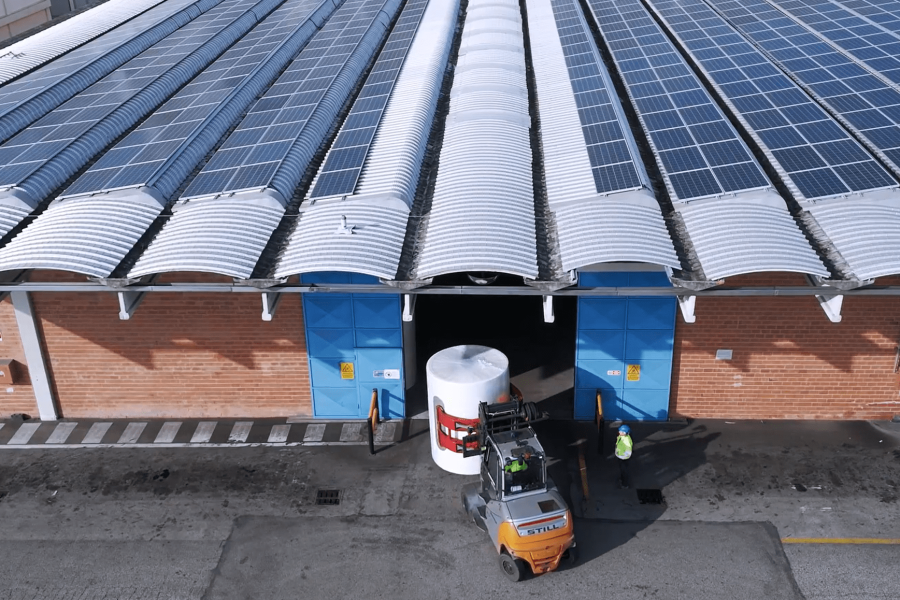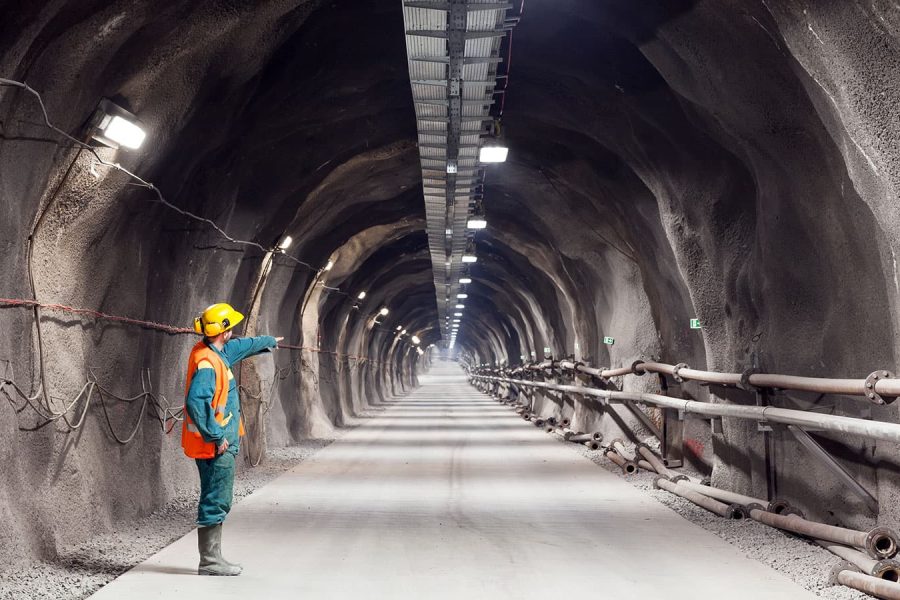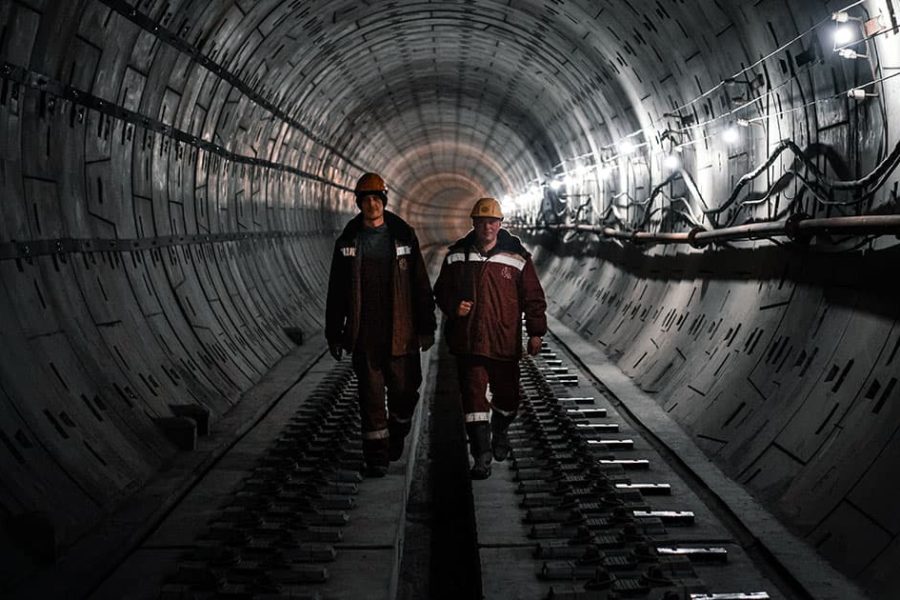

In the most complex operating environments — construction sites, tunnels, production plants and logistics hubs — safety is never a static condition. Plant, machinery and workers on foot share spaces that change from hour to hour, and every interaction between a moving element and a person is a potential point of risk. For years, safety was managed reactively: action was taken after the event, the incident was analysed, the procedure was updated. Today this model shows clear limitations, because it captures situations that have already changed in the meantime.
Active safety turns this logic on its head: instead of reacting, it anticipates. It is built on continuous monitoring, the collection of objective data and the ability to intervene before a risk condition turns into an accident. It is a cultural shift before it is a technological one, and data is what drives it.
What Active Safety Is
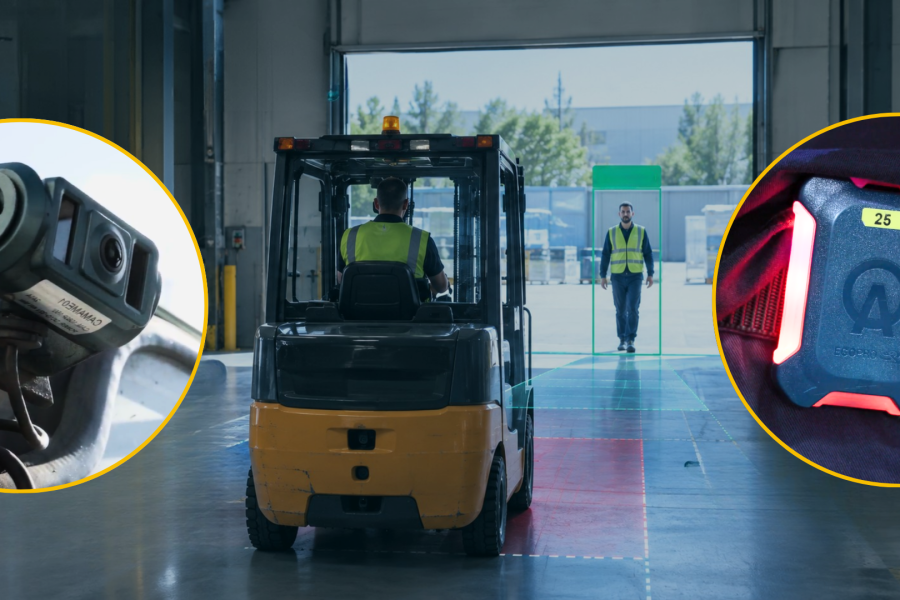
Active safety is the set of measures and technologies that intervene before an event occurs, reducing the probability that a hazardous situation will materialise. It does not simply protect against the consequences of an impact: it acts on the dynamics that generate it, detecting proximity between a vehicle and a worker, assessing the level of risk and triggering a response — an alarm, slowing the vehicle down, an alert to the supervisor.
It is worth distinguishing it from passive safety. Passive safety acts after the event, or as a static physical barrier: guards, signage, personal protective equipment. Active safety, by contrast, prevents the event by intervening in real time, thanks to monitoring, data analysis and automations proportionate to the situation. The two are not mutually exclusive: the second makes the first far more effective, because it makes it measurable and continuous.
The Limits of a Reactive Approach
A safety model founded solely on periodic checks, training and post-incident analysis retains its validity in compliance terms, but it has gaps when it comes to managing risk in its dynamic dimension.
The first limitation is fragmentation: isolated systems, non-integrated procedures and no overall view of operational flows leave blind spots. The second is a lack of timeliness: an inspection provides a snapshot, but conditions change between one check and the next. The third, perhaps the most underestimated, is the shortage of objective data. When assessments are based on individual perception, real risks can be underestimated or overestimated, and safety resources end up allocated where they are not needed.
There is also an economic dimension that makes the issue strategic. According to the European Agency for Safety and Health at Work (EU-OSHA), accidents and occupational illnesses cost the European Union’s economy more than 3.3% of GDP every year. It is a figure that makes clear why reacting alone is not sustainable in the long term.
Safety Intelligence: From Data to Prevention
Active safety becomes concrete when the data collected in the field is turned into useful information. This is the principle behind safety intelligence: sensors and devices detect interactions between people, vehicles and infrastructure in real time; this data is then processed to recognise recurring patterns, areas of greater criticality and unusual situations before they escalate.
A central element is the management of near misses — the close calls that cause no harm but signal a weak point in the system. In a traditional approach most of them go unnoticed; with continuous monitoring they become instead a valuable source of prevention, because they show where to act before a real accident occurs.
The value of this approach is twofold. On one hand it objectively reduces exposure to risk; on the other it gives those responsible for safety — HSE managers, safety officers, plant and site managers — concrete indicators on which to base their decisions. This is not about adding more alarms, but about making safety a measurable process that can be improved over time. It is precisely the ground on which risk analysis and measurement plays out: moving from subjective judgement to evidence.
AMESPHERE: Putting Active Safety into Practice
For active safety to work, a single technology is not enough: it requires integrating data from the various systems present on the construction site, in the tunnel or in the plant, and returning it in a readable form. That is the role of a safety intelligence platform.
The AMESPHERE platform was created with this objective: to correlate field data, monitor how flows evolve over time and turn them into dashboards, reports and indicators. In the field of anti-collision safety, for example, this means not only detecting proximity between a vehicle and a worker — from preventing accidents involving forklifts and AGVs in logistics environments to collisions between machinery on site — but understanding where and when critical interactions are concentrated, verifying whether the measures adopted are working and taking targeted action. Technology, in other words, is not the end goal: it is what turns prevention into a daily, verifiable practice.
Safety as a Strategic Lever
Adopting an active safety approach does not only mean reducing accidents. It means increasing operational continuity, because a monitored environment suffers fewer unplanned stoppages; improving efficiency, because data helps optimise flows and procedures; and strengthening the ability to make decisions on objective grounds. Safety ceases to be a compliance cost and becomes a lever for governing processes — all the more relevant in settings such as construction sites and tunnels, where an accident or a stoppage has a direct impact on project timescales and costs.
The starting point is not technology, but the decision to view safety as a measurable process in constant evolution. From there on, the data does the rest.
Frequently Asked Questions
What is active safety?
It is the set of measures and technologies that intervene before an event occurs, reducing the probability that a hazardous situation will materialise. It is based on real-time monitoring, data analysis and automatic responses proportionate to the level of risk.
What is the difference between active and passive safety?
Passive safety acts after the event, or as a static physical barrier (guards, signage, PPE). Active safety prevents the event by intervening in real time thanks to monitoring and data. The two complement each other: active safety makes passive safety more effective and more measurable.
What is safety intelligence?
It is the approach that turns data collected in the field into useful safety information: recognising risk patterns, identifying critical areas, analysing near misses and verifying the effectiveness of the measures adopted, supporting decisions based on objective evidence.
How is the effectiveness of an active safety approach measured?
Through objective indicators: reduction and analysis of near misses, frequency of risky interactions, alarm response times and trends over time. Dashboards and reports make it possible to monitor performance and understand where to act.