TRIR is no longer enough: why prevention starts with SIF precursor
For more than two decades, the Total Recordable lncident Rate (TRIR) has been one of the primary indicators used to assess an organization’s safety performance. Thanks to investments in training, procedures, personaI protective equipment, ergonomics, and continuous improvement, the number of recordable injuries has declined signiflcantly across most industriai sectors.
This is an important achievement. However, a growing limitation has become increasingly evident: the reduction in recordable injuries has not been matched by a comparable decline in events with Serious lnjury & Fatality (SIF) potential. In many industriai environments, while TRIR has continued to improve, serious and fatai incidents have remained relatively stable. As a result, it is not uncommon to flnd organizations with an excellent TRIR that stilI experience high-potential SIF events.
This gap has led many organizations to rethink how they measure and manage risk. Industriai safety is evolving toward a new paradigm: moving beyond measuring incidents that have already occurred to identifying and controlling the operational conditions that could lead to a Serious lnjury & Fatality before an event takes piace.
From outcomes to precursors: making SIF risk exposure visible
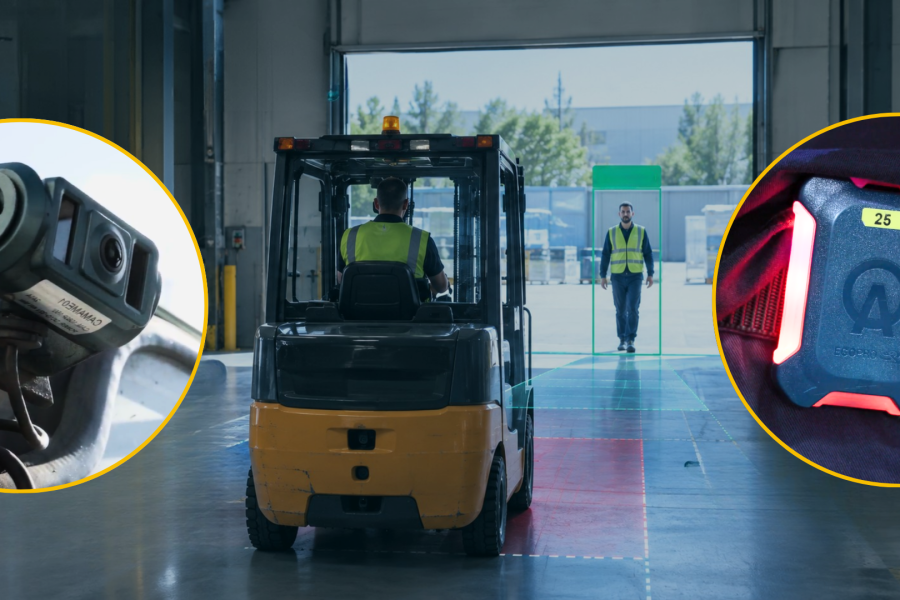
Every event with SIF potential is preceded by a series of operational conditions that increase the likelihood of a serious outcome. Among the most criticai are interactions between moving vehicles and people. Every day, thousands of forklifts, AGVs, and other industriai vehicles share the same operational spaces with workers-travel aisles, intersections, loading docks, industriai doors, and areas with limited visibility. The vast majority of these interactions end without consequences and, precisely for that reason, gradually become perceived as normai. But normality does not mean the absence of risk. lt simply means that, up to that point, the combination of factors capable of turning that exposure into a serious incident has not yet occurred.
These operational conditions are known as SIF Precursors, or potential SIF (pSIF): high-risk exposures, hazardous vehicle-pedestrian interactions, recurring hotspots, excessive speeds, crossings in low-visibility areas, failure to respect segregation rules, or other repetitive behaviors that increase the likelihood of a serious event-even when they do not result in a recordable injury.
This is where the limitations of traditional safety management become evident. Because most precursors do not lead to incidents or near misses, they rarely enter event-based reporting systems. As a result, they remain invisible, along with some of the most valuable information for understanding where and how risk is accumulating.
The shift from measuring outcomes to identifying precursors represents one of the most signiflcant changes in modem safety management: instead of waiting for risk to become an incident, organizations can make it visible while it is stili an operational condition and intervene before consequences occur.
How can you measure events that never become incidents?
Recognizing SIF precursors is only the flrst step. The real challenge is turning these risk exposures into objective, continuous, and comparable information over time.
lf a precursor does not result in an injury or even a near miss, how can it be observed? How can it be systematically recorded? More importantly, how can it become a measurable indicator that supports prevention decisions?
Traditional approaches-including audits, inspections, fleld observations, and Behavior-Based Safety (BBS) programs-remain essential tools. However, they inevitably capture only a fraction of the thousands of interactions occurring every day within an industriai facility, and they are inherently influenced by human observation.
From safety observation to safety intelligence: how AMESPHERE makes SIF precursors measurable
Today, new technologies make it possible to continuously monitor interactions between people, vehicles, and the work environment, transforming operational behaviors and conditions into objective data.
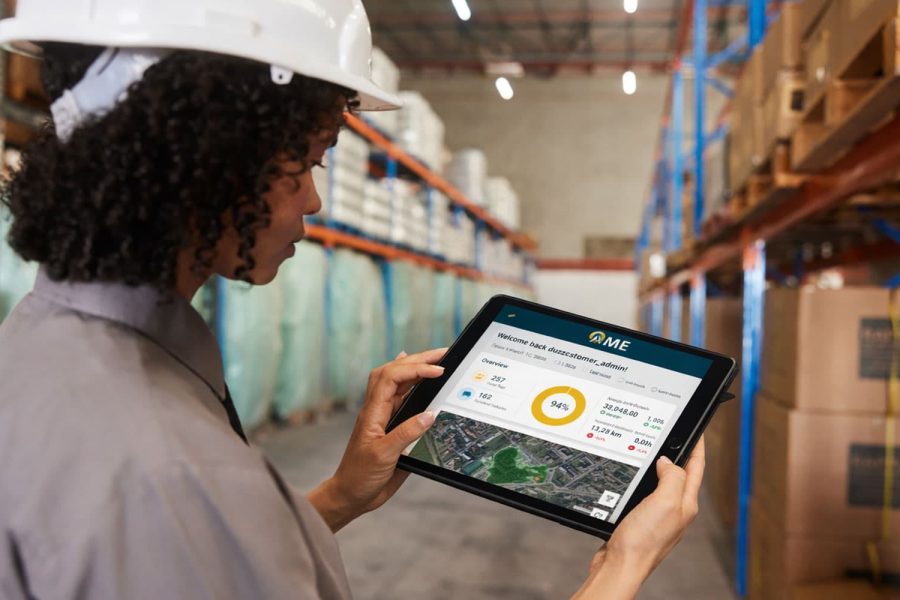
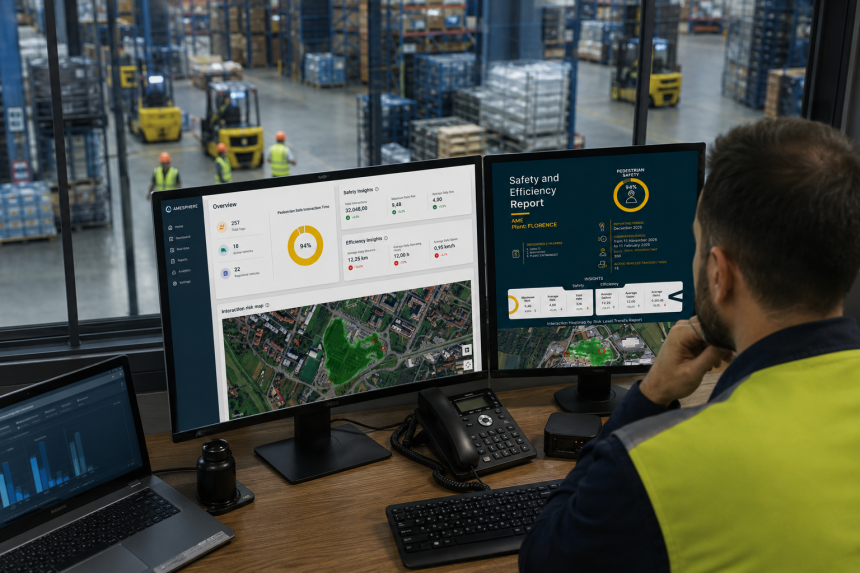
This is where AMESPHERE flts in. Designed as a comprehensive digitai safety ecosystem, AMESPHERE continuously monitors interactions between people, vehicles, and operational areas, identifying behaviors and conditions associateci with elevateci SIF potential. Whenever these situations occur, the system does more than trigger real-time interventions to reduce immediate risk: it records them, adds operational context, and converts them into structured information.
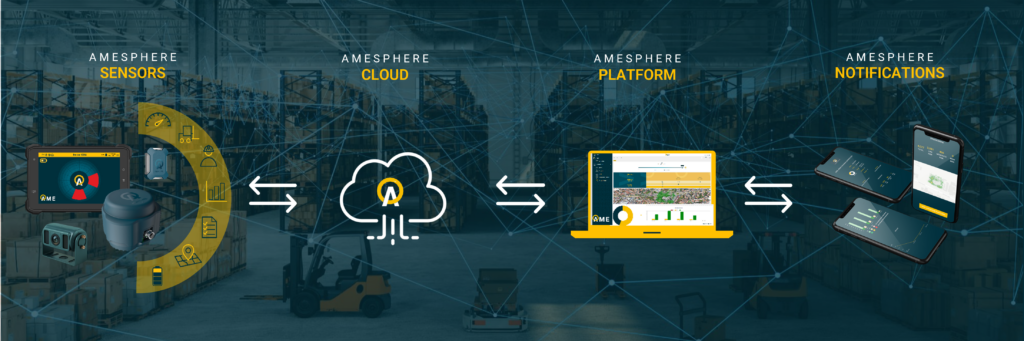
The impact is substantial. A SIF precursor is no longer an occasionai observation that depends on the presence of a supervisor or the awareness of the person who notices it. lnstead, it becomes an objective event associateci with a precise location, time, interaction dynamics, and operational context. In other words, it becomes visible, measurable, and comparable over time.
The continuous availability of this data enables organizations to identify recurring patterns, risk hotspots, exposure trends, and contributing factors that would rarely emerge through sample-based observations alone.
This is where Behavior-Based Safety evolves into Safety lntelligence. Behavioral observation is not replaced, but enhanced by the continuous measurement of operational dynamics, transforming thousands of daily interactions into objective indicators that support HSE and Operations decision-making.
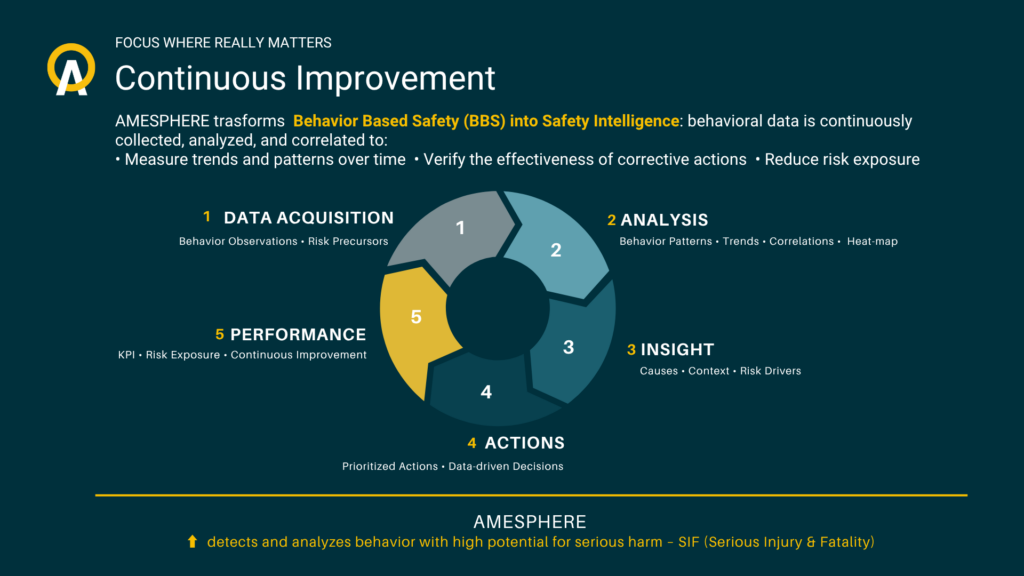
The goal is not to automate prevention or replace the judgment of the HSE Manager. lt is to provide them with the conditions to make more informed decisions, with a much broader and more representative view of the actual risk exposure within the plant.
Conclusion
For many years, industriai safety focused primarily on measuring what had already happened. TRIR remains a fundamental indicator for tracking injury performance and monitoring safety trends aver time, but on its own it is no longer suff1cient to describe an organization’s exposure to risks that may result in a Serious lnjury & Fatality.
Today’s challenge is different. lt is no longer enough to reduce the number of recordable injuries; organizations must identify and manage the operational conditions that, every day, have the potential to evolve into a serious event-even if they have never resulted in an injury.
This requires a fundamental shift in perspective: moving from a safety approach that primarily measures outcomes to one that continuously observes and measures risk exposure.
Because a SIF does not begin at the moment of the incident. lt begins much earlier, within the thousands of daily interactions between people, vehicles, and the work environment that, precisely because they have not yet caused harm, tend to remain invisible.
The next frontier of prevention is making these exposures visible, transforming them into objective data, and using that information to guide decisions before risk becomes an incident. This is the principle behind Safety lntelligence: complementing traditional lagging indicators with a continuous understanding of operational dynamics in arder to identify SIF precursors and intervene while risk is stili manageable. This is the vision driving AME and the development of AMESPHERE: transforming everyday interactions between people, vehicles, and the work environment into measurable insights, giving HSE Managers a deeper understanding of operational risk and enabling data-driven prevention decisions before a criticai event occurs.