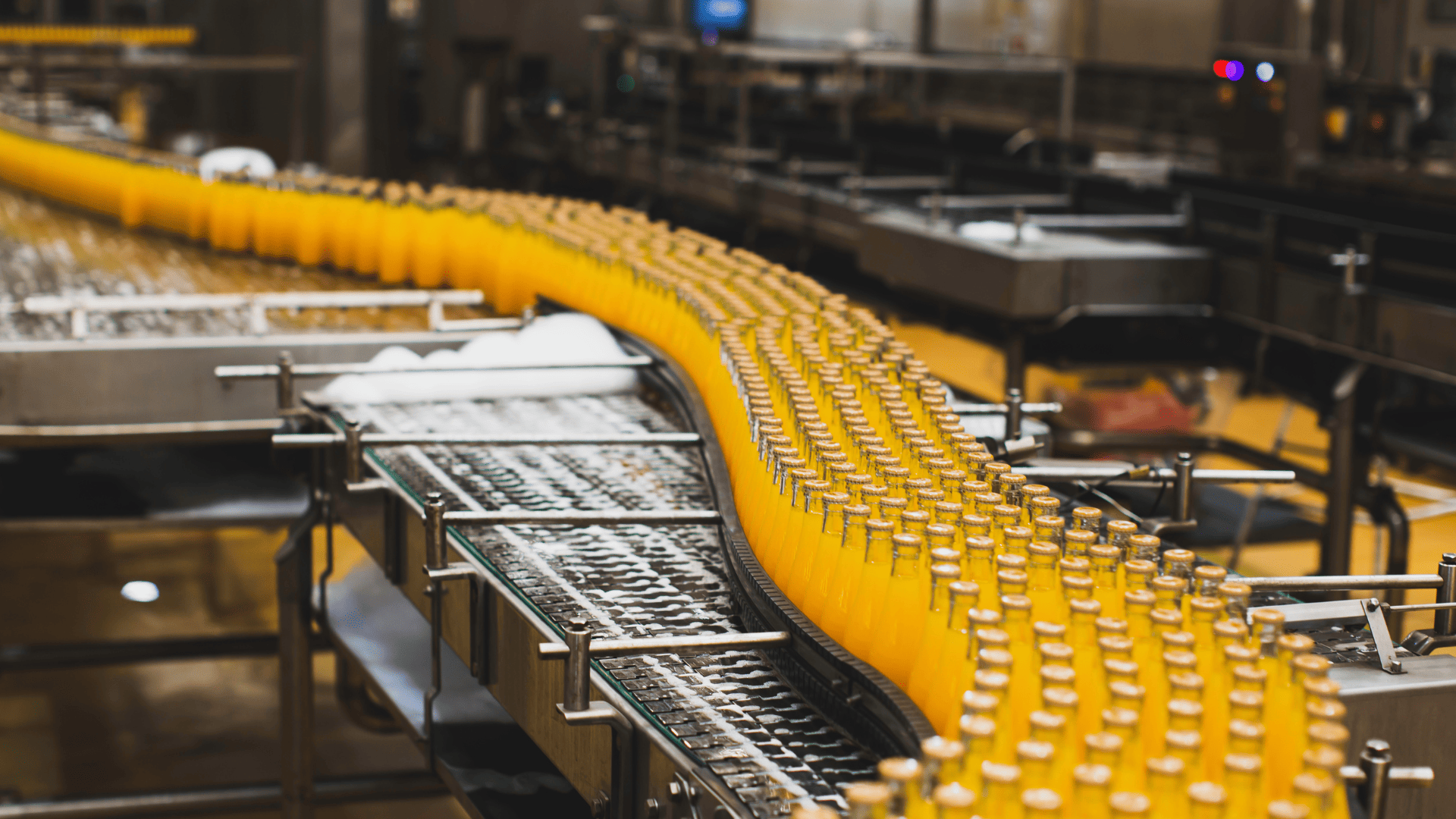
In a $10 trillion industry, protecting people is becoming a structural driver of competitiveness.
Accident statistics confirm the central role of safety in production and logistics flows.
In particular, high-density operational plants require more advanced prevention strategies capable of reducing the likelihood of accidents through continuous monitoring of human–machine interactions and the adoption of technologies that support real-time preventive decision-making.
AMESPHERE: The data-driven solution for operational safety in the Food & Beverage industry
In this context, the transition toward proactive, data-driven safety models is becoming a key factor.
The Active Safety approach developed by AME integrates AIoT technologies, positioning systems, intelligent sensors, and advanced data analytics platforms to monitor operational interactions in real time and intervene before a risk condition can escalate into an incident.

- Automatic speed modulation of industrial vehicles
- Targeted alerts and preventive notifications
- Dynamic management of critical areas
The objective is to support the protection of workers, contractors, and visitors while ensuring production flow continuity and operational efficiency.
Collision prevention for forklifts, pallet trucks, and AGVs
Protection of external operators and visitors
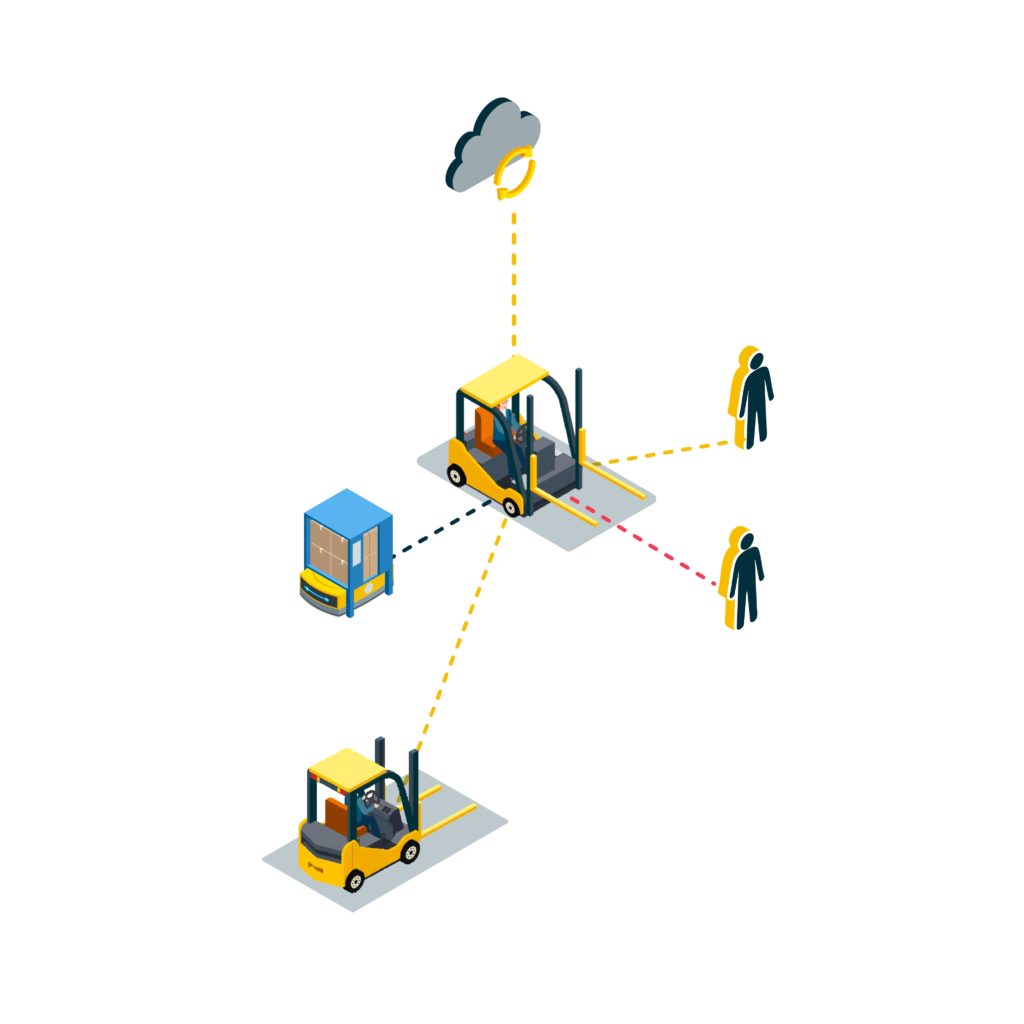


It detects real-time interactions between operators and vehicles and automatically activates alerts and speed modulation only when a concrete risk is present.
Configuration of virtual safe areas that automatically regulate the behavior of industrial vehicles in critical zones of the plant
Assignment of active TAGs to external operators to make them immediately recognizable within the control system
Benefits of a data-driven safety model
- Improved quality and traceability of safety data
- Objective KPIs supporting continuous improvement
- Stronger decision-making processes
- Greater operational resilience
Conclusion: Safety as a driver of industrial competitiveness, not merely a regulatory requirement
Investing in intelligent safety means protecting human capital, improving operational continuity, and transforming safety from a regulatory obligation into a strategic element of industrial organization.
In a context characterized by increasing automation, high logistics intensity, and increasingly stringent quality standards, risk management cannot be limited to reactive solutions. The integration of advanced technologies and data analytics models enables companies to adopt a more mature approach to prevention, where safety becomes an integral part of the production strategy.
The solutions developed by AME represent an evolution in the protection paradigm for complex industrial environments, where risk prevention, process optimization, and operational data analytics can coexist within the same technological ecosystem.
Download the full article to discover how data-driven safety is transforming operational risk management in the Food & Beverage sector and helping organizations build safer, more resilient, and more efficient workplaces.